
In today’s fast-paced world, issues relating to vein health are often overlooked. However, for those looking to maintain attractive, smooth legs and long-term wellness, understanding and treating vein conditions is crucial. Many individuals experience visible signs of vein problems that can affect both appearance and overall comfort. Consulting a qualified vein doctor can help identify underlying issues early and prevent them from progressing into more serious conditions.
This article delves into advanced treatments available for various vein conditions, providing insights into innovative therapies, the importance of healthy lifestyle changes, and when to seek professional intervention. A skilled vein doctor can recommend personalized treatment plans, including minimally invasive procedures that improve circulation, reduce discomfort, and restore confidence.
Understanding Vein Health
Common Vein Conditions Affecting Legs
Vein conditions can manifest in numerous ways, often showing as varicose veins, spider veins, or chronic venous insufficiency. Varicose veins are enlarged veins that can be uncomfortable and unsightly, occurring when blood pools in the veins due to faulty valves. Spider veins, on the other hand, are smaller and more superficial, presenting as a web-like pattern on the skin. Chronic venous insufficiency occurs when veins struggle to send blood back to the heart, potentially leading to more severe complications.
Importance of Maintaining Healthy Veins
Maintaining healthy veins is essential for overall health and quality of life. Poor vein health can lead to discomfort, pain, and swelling in the legs, limiting daily activities and diminishing one’s confidence. Also, unhealthy veins can progress to more serious conditions like blood clots or venous ulcers. So, understanding the significance of vein care and treatment is paramount for anyone wanting to keep their legs looking and feeling their best.
Innovative Treatments for Vein Conditions
Sclerotherapy
Sclerotherapy involves injecting a solution directly into the affected veins, causing them to collapse and fade from view. This widely practiced treatment offers excellent results with a relatively low risk of side effects. After a few sessions, patients typically see noticeable improvements in their leg’s appearance and comfort.
Radiofrequency Ablation
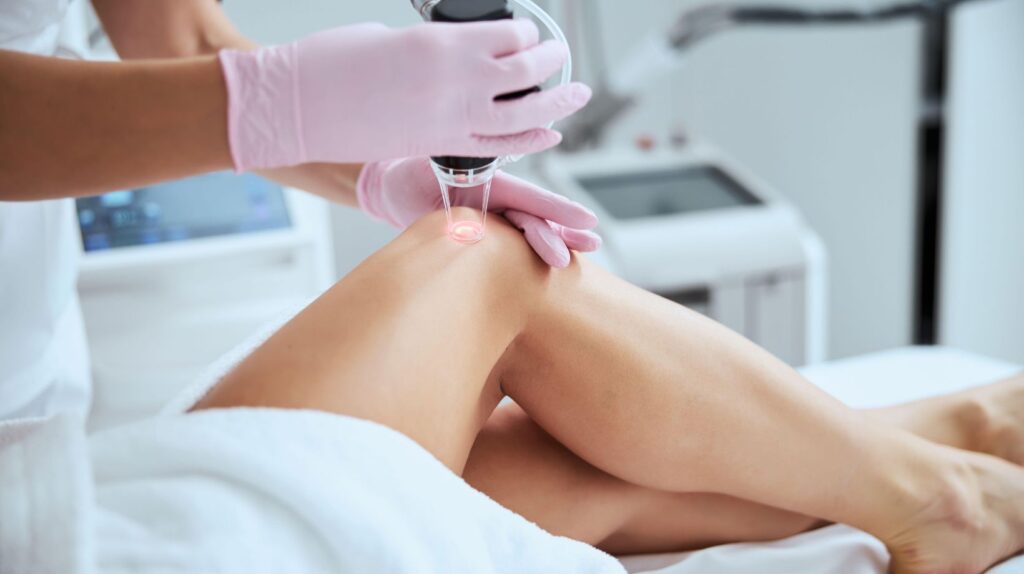
Radiofrequency ablation employs heat energy to close off problematic veins. This innovative procedure targets the walls of the vein, effectively sealing them and preventing blood flow. Patients usually experience immediate relief from symptoms such as pain and heaviness in the legs, and the results can be long-lasting.
Comparative Effectiveness of Treatments
Factors to Consider in Treatment Selection
Choosing the right vein treatment involves considering several factors, including the type and severity of the vein condition, patient health and preferences, and the desired outcomes. Each treatment option has its benefits: for instance, while laser therapy is ideal for superficial veins, sclerotherapy might be preferred for larger or more stubborn veins. Consulting a healthcare provider ensures a tailored approach, optimizing results.
The Role of Lifestyle Changes
Preventive Measures for Vein Health
Making specific lifestyle adjustments can fork significantly toward preventing vein issues. Regular exercise, such as walking or cycling, can enhance circulation, while maintaining a healthy weight reduces additional pressure on the veins. Also, wearing compression stockings may help alleviate symptoms and prevent vein health deterioration.
Essential Exercises for Stronger Legs
Incorporating leg-strengthening exercises into daily routines can bolster vein health. Activities like calf raises, leg lifts, and squats improve muscle tone and blood flow, working against the pooling of blood in the veins. Even simple tasks, such as standing up frequently or elevating the legs while resting, can promote better circulation.
Nutritional Guidelines for Vein Support
Adopting a nutritious diet can aid in maintaining healthy veins. Foods rich in fiber, such as fruits, vegetables, and whole grains, can help prevent constipation, a condition that can exacerbate vein problems. Also, incorporating foods high in antioxidants, like berries and dark leafy greens, supports vein health by reducing inflammation. Staying hydrated is also crucial, as it helps blood circulation.
When to Seek Professional Help
Recognizing when to seek professional help is vital for effective vein treatment. Symptoms such as persistent pain, swelling, changes in skin color, or any unusual vein appearance should not be ignored. If home remedies and lifestyle changes fail to improve symptoms, consulting a healthcare provider will provide clarity on suitable treatment options.
Conclusion
Investing in advanced vein treatments can lead to healthier, smoother legs, boosting self-esteem and improving quality of life. Understanding vein health, evaluating treatment options, making lifestyle changes, and adhering to nutritional guidelines are integral steps toward achieving optimal vein condition. By prioritizing vein care, individuals can experience improved comfort and confidence in their daily activities.